Common formats include STEP (.stp/.step), IGES (.igs/.iges), and STL for 3D printing.
For sheet metal or machining, DWG or DXF files are often preferred.
Always provide solid models rather than mesh files for more accurate fabrication.
Major cost factors include material type, complexity of geometry, tolerance requirements,
and finishing operations like anodizing or powder coating.
Setup time and tooling costs also play a significant role in custom projects.
Tolerances vary by process:
Laser cutting: ±0.005”
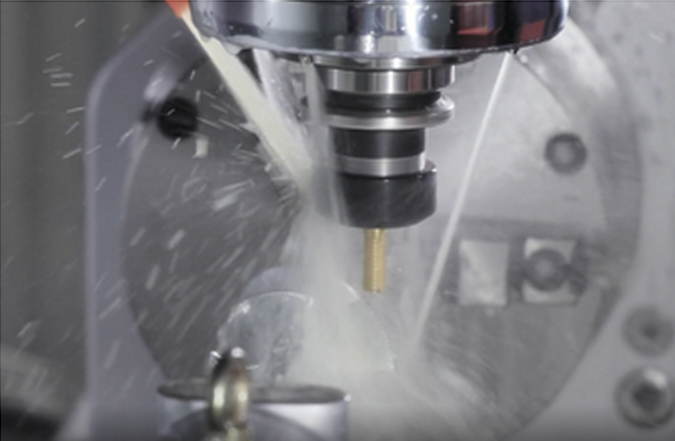
CNC machining: ±0.001” or better
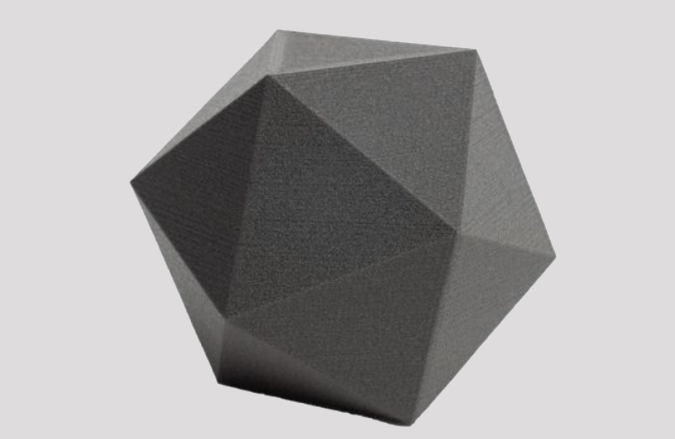
3D printing: ±0.2–0.5 mm depending on material and printer
Always confirm with your fabricator if your design has critical dimensions.
Yes — many projects integrate metal and plastic components. Metal provides strength and rigidity, while plastic can reduce weight or cost.
Designers often use threaded inserts, bonded joints, or mechanical fasteners to join the two materials securely.
Include a fully defined 3D model and, if possible, a 2D drawing with material, finish, and tolerance notes.
Avoid suppressed features or unsaved configurations. The clearer the file, the faster and more accurate your quote will be.
Modern 3D printing materials — such as nylon, carbon fiber, and metal powders — can produce functional, end-use components.
However, 3D printing is still best suited for low-volume or custom parts where traditional tooling would be too expensive.